


Common Pickleball Injuries (And How to Avoid Them)

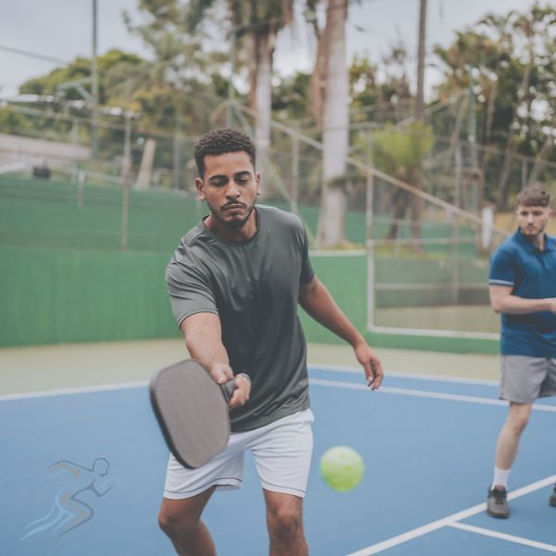
Drive past a tennis court anywhere on Long Island these days, and the lines on the surface tell the story: what used to be one tennis court is now two, three, or even four pickleball courts. From Hauppauge to Stony Brook, Smithtown to Bay Shore, pickleball has exploded across the community — and with that growth has come a steady stream of pickleball-related orthopedic injuries showing up at orthopedic offices across the region.
Pickleball is now the fastest-growing sport in America, with a player demographic that skews older than most other sports. That combination — fast growth, competitive play, and an older average player — has created a surge in injuries that often catches patients off guard. Many pickleball patients arrive at orthopedic appointments saying the same thing: they didn't expect they could get hurt that badly playing pickleball.
The good news is that most pickleball injuries are preventable with the right preparation, technique, and recovery habits. Here's what every Long Island pickleball player needs to know.
Why Pickleball Causes So Many Injuries
Before getting into specific injuries, it helps to understand why pickleball — a sport often described as "low impact" — sends so many patients to orthopedic surgeons.
The player demographic skews older. The average pickleball player is over 40, and many are in their 50s, 60s, and 70s. Joints, tendons, and muscles simply don't recover the same way at 60 as they did at 25.
It looks easier than it is. Pickleball involves quick stops, sudden direction changes, lunges, twists, overhead motions, and frequent sprinting in a small court space. New players often underestimate the athletic demand and skip the warmups they'd never skip in tennis or basketball.
Players go from zero to four hours. Many new pickleball players go from sedentary lifestyles to playing multiple hours several times per week within a few months. Soft tissues need time to adapt to that level of new activity.
The "kitchen" creates dangerous movement patterns. The non-volley zone forces players into rapid forward lunges and reaches — high-risk movements for older players' Achilles tendons, hamstrings, and shoulders.
Outdoor courts vary in surface quality. Many Long Island pickleball courts are converted tennis courts, school playgrounds, or community center spaces — sometimes with cracks, uneven surfaces, or inadequate lighting that contribute to fall-related injuries.
The Most Common Pickleball Injuries Seen in Orthopedic Practice
1. Achilles Tendon Injuries
This is probably the single most common pickleball injury seen across Long Island orthopedic practices. The sudden stops, starts, and forward lunges at the kitchen line put intense stress on the Achilles tendon — and in players over 40, the Achilles is often the weakest link.
Pickleball Achilles injuries range from mild tendinitis (inflammation and stiffness) to partial tears and, in some cases, complete ruptures. A complete Achilles rupture is a serious injury requiring surgical repair and 6-9 months of recovery.
Warning signs: Sharp pain at the back of the heel during play; the sensation of being "kicked" in the back of the leg (often a tear); persistent tightness or burning after play; swelling above the heel.
2. Rotator Cuff Strains and Tears
The repetitive overhead motions of serving, smashing, and reaching for high balls put significant stress on the shoulder, particularly the rotator cuff muscles. Players who already have subtle rotator cuff weakness or impingement often see it become symptomatic with regular pickleball play.
Warning signs: Pain when reaching overhead or behind the back, weakness when lifting the arm, deep aching pain at night, or popping or catching sensations in the shoulder.
3. Tennis Elbow (Lateral Epicondylitis)
Despite the name, "tennis elbow" is extremely common among pickleball players. The repetitive backhand motion and the impact of the ball against the paddle stress the tendons on the outside of the elbow. New players using heavier paddles or improper grip technique are especially susceptible.
Warning signs: Pain on the outside of the elbow that worsens with gripping or lifting, weakness in grip strength, and pain that radiates down the forearm.
4. Knee Injuries (Meniscus Tears, MCL Strains, Arthritis Flare-ups)
The sudden direction changes, planted-foot pivots, and frequent kneeling lunges in pickleball put significant stress on the knees. Common knee injuries include meniscus tears (especially in players over 50), MCL strains, and arthritis flare-ups in players with pre-existing joint wear.
Warning signs: Pain with twisting or pivoting, swelling within 24-48 hours after play, locking or catching sensations, a "giving way" feeling in the knee.
5. Hip Strains and Labral Tears
The lateral movements, lunges, and pivots required in pickleball can strain the muscles and ligaments around the hip — and in some cases, cause labral tears (tears of the cartilage ring around the hip socket). Hip injuries are particularly common in players with pre-existing hip impingement (FAI) or early arthritis.
Warning signs: Deep groin or hip pain, catching or clicking in the hip, pain when sitting for prolonged periods, and morning stiffness.
6. Hamstring Strains
The sudden acceleration and stops in pickleball — combined with often inadequate warm-ups — make hamstring strains a common injury. Players over 50 are particularly susceptible because hamstring flexibility tends to decrease with age.
Warning signs: Sharp pain in the back of the thigh during play, bruising along the back of the leg in the day or two after, difficulty fully extending the leg or walking normally.
7. Ankle Sprains
Quick lateral movements, planted pivots, and stepping on a stray ball all contribute to frequent ankle sprains in pickleball. Players with a history of previous ankle sprains are particularly susceptible to recurring instability.
Warning signs: Pain and swelling around the ankle after rolling it, difficulty bearing weight, and bruising on the outside of the foot.
How to Avoid Pickleball Injuries: A Long Island Orthopedic Surgeon's Recommendations
The good news is that most pickleball injuries are preventable. Here's what Dr. Savino recommends to patients who play.
1. Warm Up Properly — Every Single Time
This is the single most important habit. A proper pickleball warmup should include:
5-10 minutes of light cardio (walking briskly, marching in place, easy paddle work)
Dynamic stretches: leg swings, arm circles, torso twists, walking lunges
Sport-specific movement: easy paddle rallies before competitive play
Skip the static stretching at the start — research shows static stretching before activity can actually decrease performance and increase injury risk. Save those stretches for after play.
2. Wear Proper Pickleball or Court Shoes
This is where many preventable injuries originate. Running shoes are not the right footwear for pickleball. Running shoes are designed for forward motion — pickleball requires lateral movement, quick stops, and pivots that running shoes don't support.
Players should wear shoes specifically designed for court sports (tennis shoes, pickleball shoes, or volleyball shoes). They provide the lateral support, ankle stability, and traction the feet and ankles need.
3. Build Up Gradually
For new pickleball players, ramping up too quickly is one of the leading causes of injury. Soft tissues need time to adapt:
Start with 30-45 minute sessions, 2-3 times per week.
Add 10-15 minutes per session every 1-2 weeks.
Take a full rest day after any new high-intensity session.
Listen to your body — soreness is normal, but sharp pain is a warning sign.
4. Cross-Train for Strength and Flexibility
The best protection against pickleball injuries is having a body prepared for the demands of the sport:
Strength training 2-3 times per week, focusing on legs, core, and shoulders
Flexibility work (yoga, stretching) 2-3 times per week
Balance training — even simple exercises like standing on one foot can dramatically reduce fall risk
Cardio conditioning to support the stamina pickleball demands
5. Pay Attention to Equipment
Paddle weight matters. Heavier paddles can stress the elbow and shoulder. Try multiple paddles before committing.
Grip size matters. Either a too-small or a too-large grip can contribute to tennis elbow.
Replace shoes regularly. Court shoes lose their support and cushioning over time.
6. Don't Play Through Pain
This is the hardest one for competitive players to follow — but it's the most important. Sharp pain, sudden weakness, or significant swelling should always be evaluated by a medical professional. Trying to play through a minor injury is one of the most common reasons minor pickleball injuries become major ones.
If something hurts, stop. Get evaluated. The court will still be there next week.
7. Schedule Recovery Time
Recovery isn't optional — it's where adaptation happens. Players should build in:
At least one full rest day between hard playing days
Adequate sleep (7-9 hours)
Proper hydration (especially in Long Island summer heat)
Post-play stretching and foam rolling.
8. Get an Orthopedic Evaluation Before Starting (For Older Players)
For players over 50 just getting into pickleball — or returning to athletic activity after years away — a baseline orthopedic evaluation can identify any pre-existing issues (early arthritis, rotator cuff weakness, hip impingement) that might predispose to injury. Knowing the starting point allows for appropriate preparation and helps avoid surprises.
When to See an Orthopedic Surgeon
Most minor pickleball injuries respond to rest, ice, and a few days of avoiding the activity that caused them. But certain symptoms warrant a professional evaluation:
Pain that lasts more than 1-2 weeks despite rest
Significant swelling that doesn't go down
Inability to bear weight or use the affected limb normally
Catching, locking, or "giving way" sensations in a joint
A "pop" or sudden sharp pain during play (often indicates a tear)
Pain that wakes the patient up at night
Any injury where a fracture is suspected
Falls resulting in significant pain in the wrist, hip, or shoulder
When in doubt, getting evaluated is the right call. Early diagnosis and proper treatment dramatically improve outcomes — and often mean a faster return to the game.
How Savino Orthopedics Helps Long Island Pickleball Players
Dr. Richard Savino sees pickleball players from across central and western Suffolk County — Hauppauge, Smithtown, Commack, Nesconset, Stony Brook, and surrounding communities. Whether a patient is dealing with:
An acute injury that needs prompt evaluation
Chronic pain that's interfering with their game
A diagnosed condition where they'd like a second opinion
A pre-season evaluation to identify potential issues
Dr. Savino provides a comprehensive evaluation and a clear path forward.
As an NYU Langone-affiliated orthopedic surgeon, Dr. Savino offers the full range of orthopedic care — from conservative treatments (physical therapy, injections, bracing) to minimally invasive arthroscopic procedures to total joint replacement when appropriate. The right approach depends on the specific injury, the patient's activity level, and their goals.
The goal isn't just pain relief — it's getting players back to the court, safely and confidently.
Frequently Asked Questions
Is pickleball really worse for joints than other sports?
Not necessarily. The injury rate per hour of play is comparable to other recreational sports. What makes pickleball injuries notable is the demographic — the average player is older, often coming from a more sedentary lifestyle, and many players are taking up athletic activity their bodies haven't engaged in for years or decades.
Are cortisone shots a good option for pickleball injuries?
Cortisone injections can be effective for certain injuries (tennis elbow, bursitis, and some joint inflammation), but they're not always the right answer. They can mask pain without addressing the underlying issue, and repeated injections in the same area can weaken tissue. An orthopedic surgeon can help determine whether an injection is appropriate.
Can players play through a mild Achilles injury?
Strongly discouraged. Mild Achilles tendinitis can progress to partial or complete tears with continued stress. Complete Achilles ruptures are major injuries requiring 6-9 months of recovery — far longer than the few weeks of rest a mild case would have needed.
How long until players can return to pickleball after surgery?
It depends entirely on the procedure. Minor arthroscopic procedures may allow return to play in 6-12 weeks. Major joint replacements typically require 3-6 months before returning to contact sports, sometimes longer. Dr. Savino discusses realistic return-to-play timelines with patients before any procedure.
Does Dr. Savino treat pickleball injuries at both his Hauppauge and Stony Brook offices?
Yes. Dr. Savino sees patients at both his Hauppauge office (517 Route 111) and Stony Brook office (2500 Nesconset Hwy, Building 20-A). Most pickleball players choose the location closer to their home or workplace.
Are pickleball injuries seasonal on Long Island?
Yes, clear seasonal patterns appear in the data. Spring brings a wave of injuries as players resume outdoor play after winter, and fall brings another wave as competitive league play intensifies. Pre-season conditioning makes a significant difference in both periods.
Ready to Get Back on the Court?
Whether sidelined by a recent pickleball injury, dealing with chronic pain that's affecting play, or simply wanting a baseline evaluation before stepping up activity, Dr. Savino can help.
Call (631) 486-8855 to schedule an appointment at the Hauppauge office, or (631) 675-9193 to schedule at the Stony Brook office. Same-week appointments are typically available.
Patients can also request an appointment online.
The right time to address a pickleball injury is now — not after it becomes something more serious.


Comments